Reliable refrigeration is essential for businesses that depend on commercial cooling equipment. Restaurants, grocery stores, convenience shops, food-service operations, and other businesses need properly functioning coolers to protect products, maintain appropriate temperatures, and support daily operations.
When a commercial cooler starts struggling, the problem can quickly affect inventory and business productivity. Professional Commercial Cooler Service can help identify developing issues, maintain equipment performance, and address repairs before a minor fault becomes a costly interruption.
In 2026, businesses are also placing greater emphasis on energy efficiency, equipment monitoring, and preventive maintenance. A proactive approach to commercial refrigeration can help businesses manage operating costs while keeping cooling equipment dependable.
Commercial coolers often operate continuously, placing significant demands on compressors, fans, coils, thermostats, seals, and other components. Without routine maintenance, dirt, wear, or mechanical problems can gradually affect performance.
A poorly maintained cooler may experience:
Regular professional inspections can help identify potential problems before they cause major operational disruptions.
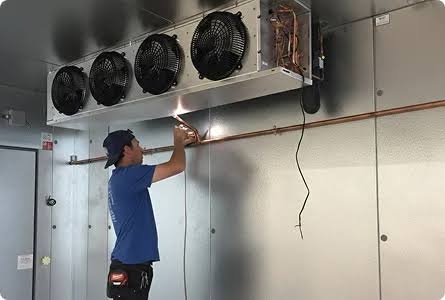
Professional Commercial Cooler Service can include inspection, maintenance, troubleshooting, and repair of commercial refrigeration equipment.
Depending on the type of cooler, technicians may inspect:
The exact service requirements depend on the equipment manufacturer, design, age, and operating environment.
Understanding common warning signs can help business owners arrange service before equipment failure affects operations.
If a cooler cannot maintain a consistent temperature, there may be an issue with airflow, controls, refrigerant performance, door seals, or another component.
Temperature problems should be investigated quickly because inconsistent cooling can affect stored products.
Ice accumulation may indicate airflow problems, temperature-control issues, door-seal problems, or other equipment concerns.
A professional technician can determine the cause rather than simply removing visible ice.
Buzzing, rattling, grinding, or clicking sounds may indicate that a fan, motor, compressor, or another component needs inspection.
Water inside or around a commercial cooler may result from drainage issues, blocked components, condensation, or other problems.
An inefficient cooler may run longer or more frequently than necessary. Increasing energy consumption can be a warning sign that equipment needs professional attention.
Waiting until a commercial cooler stops working can be expensive for a business. Preventive maintenance provides an opportunity to identify wear and performance issues before they become emergencies.
A maintenance program may include:
Regular service can help businesses maintain dependable refrigeration and potentially extend equipment life.
Commercial refrigeration can contribute significantly to a business's energy consumption. Equipment that operates inefficiently may increase utility expenses.
Businesses can support efficient cooler operation by:
Professional Commercial Cooler Service can help identify components or operating conditions that may be affecting efficiency.
Commercial cooling technology continues to become more connected. Modern refrigeration equipment may offer monitoring systems that help businesses track temperature and equipment performance.
Depending on the system, smart features may provide:
These technologies can help business owners identify unusual conditions earlier, potentially reducing the risk of unnoticed equipment problems.
However, monitoring technology works best alongside professional maintenance.
Not every problem requires equipment replacement. Repair can be a practical solution when the cooler is otherwise in good condition and the problem involves a replaceable component.
Professional repair may be appropriate when there is:
A technician can diagnose the underlying cause and recommend the appropriate repair.
Older commercial refrigeration equipment may eventually become expensive to maintain. Frequent breakdowns, declining efficiency, or major component failures can indicate that replacement should be considered.
Business owners should evaluate:
Replacing an outdated cooler with modern equipment may provide improved efficiency and more reliable temperature control.
Commercial refrigeration problems can affect more than equipment. A malfunctioning cooler can potentially result in product loss, operational delays, and customer dissatisfaction.
Professional service helps businesses take a proactive approach to refrigeration management.
An experienced technician can:
This approach can help businesses make informed decisions about their refrigeration equipment.
When selecting a provider, businesses should look for professionals with experience working with commercial refrigeration systems.
Important factors include:
A dependable provider should understand that commercial cooling equipment is critical to everyday business operations.
Commercial coolers play an important role in protecting products and maintaining smooth business operations. Because these systems often run continuously, preventive maintenance and timely repairs can make a significant difference in performance and reliability.
Professional Commercial Cooler Service can help businesses maintain temperature control, identify developing problems, support energy efficiency, and determine when equipment replacement makes financial sense.
In 2026, smart monitoring and energy-efficient refrigeration technology are providing businesses with additional tools for managing commercial cooling equipment. However, technology is most effective when combined with regular professional inspections and maintenance.
By taking a proactive approach to commercial refrigeration care, businesses can protect their equipment, reduce unexpected interruptions, and maintain dependable cooling performance throughout the year.

This post has been authored and published by one of our premium contributors, who are experts in their fields. They bring high-quality, well-researched content that adds significant value to our platform.










Real Estate Guide provides trusted real estate news, market insights, investment tips, and property resources to help buyers, sellers, and investors make informed decisions.