IPTV has become a popular topic among Australian viewers who want a modern way to watch television. However, there are also many misconceptions about IPTV Australia. Some people think IPTV is complicated, while others believe every IPTV service is the same.
The truth is that IPTV is simply a technology for delivering television content through an internet connection. The experience depends on the provider, the content it offers, your device, and your internet connection.
In this guide, we will clear up some of the biggest IPTV myths and explain what users should know before choosing an IPTV service.
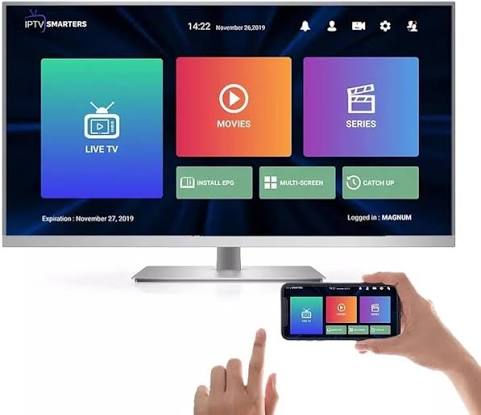
IPTV Australia refers to television content delivered through an internet connection. IPTV stands for Internet Protocol Television.
Traditional television can be delivered through cable, satellite, or terrestrial broadcasts. IPTV uses an IP network to deliver video content to a compatible device.
Depending on the provider and its content rights, IPTV may include:
The available content can be different from one provider to another.
An IPTV subscription Australia gives users access to selected television channels and other content for a specific subscription period.
Different subscriptions can have different prices, features, channel lists, and device support.
Before choosing an IPTV subscription, we should check:
A good subscription should provide the content we actually want instead of simply advertising a huge channel number.
One of the biggest misconceptions is that all IPTV is illegal.
This is not correct. IPTV is a technology, just like other methods of delivering television content. The important issue is whether a particular provider has the necessary rights or permissions to distribute the content it offers.
Users should choose services that are properly authorized and transparent about their content.
Another common myth is that every IPTV provider offers the same experience.
In reality, providers can differ in:
A reliable provider can offer a very different experience from an unreliable one.
IPTV is not limited to Smart TVs.
Depending on the service and application, IPTV can work on:
Before subscribing, we should check whether our preferred device is supported.
IPTV does not automatically mean free television.
IPTV is a delivery technology. Some services may be free, while legitimate commercial services can charge subscription fees for access to licensed content.
If a provider offers premium content for an unusually low price without clearly explaining its licensing, users should be careful.
Some providers advertise extremely large channel lists. While a large selection can be useful, more channels do not always mean better value.
What matters is whether the service provides:
A smaller but reliable service may be more useful than a huge list filled with channels you never watch.
Another common myth is that IPTV never experiences buffering.
Because IPTV depends on the internet, buffering can happen for several reasons.
Possible causes include:
A reliable broadband connection and a good IPTV provider can help reduce these problems.
You do not always need an extremely fast internet connection for IPTV.
The required speed depends on video quality and other factors.
As a general guide:
Actual requirements can vary depending on the provider, compression, device, and network conditions.
Some IPTV services advertise 4K support, but that does not mean every channel or program is available in 4K.
Video quality depends on:
Before choosing a service, users should check exactly what content is available in 4K.
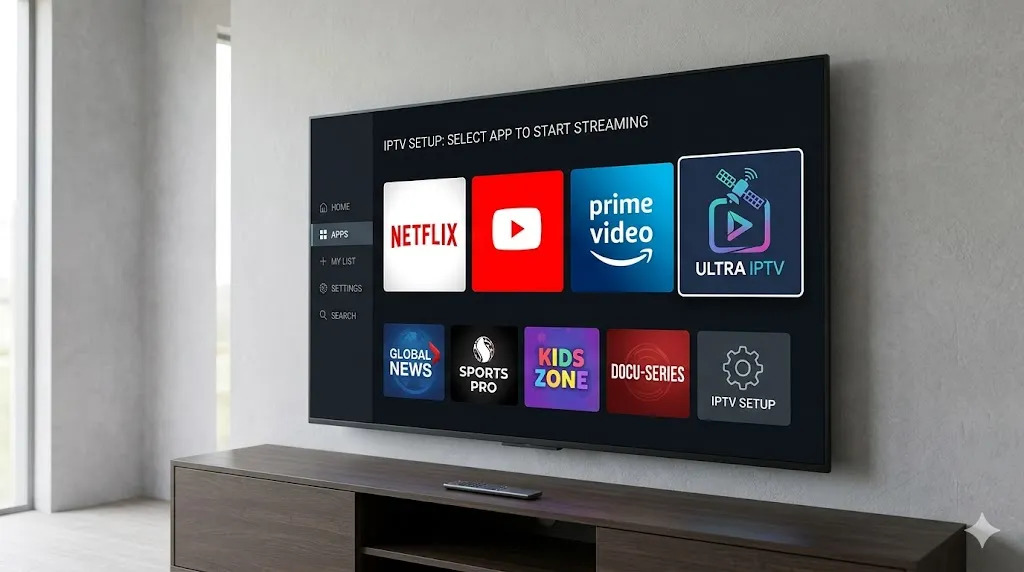
IPTV setup can be relatively simple when the provider supports your device.
A typical setup may involve:
The exact process depends on the provider and application.
You do not need to be a technology expert to use IPTV.
Modern IPTV applications are often designed with simple menus and familiar controls.
Once the service is set up, users can usually browse channels, search for programs, and watch content much like they would with other streaming applications.
IPTV can offer more than live television.
Depending on the provider, users may also get Video on Demand (VOD).
VOD can include:
This allows viewers to choose available content rather than only following a live schedule.
Some IPTV services support multiple compatible devices, which can provide additional flexibility.
However, users should always check the provider's terms regarding device usage, locations, simultaneous streams, and account sharing.
A service may have restrictions that are different from another provider.
Price is important, but it should not be the only factor.
A very cheap subscription may not provide the reliability, customer support, device compatibility, or content quality you need.
When comparing services, we should consider the complete package rather than looking only at the monthly price.
Customer support is often overlooked until something goes wrong.
Good support can help with:
Before subscribing, it is worth checking how the provider handles customer questions.
A long channel list does not guarantee reliable streaming.
A quality IPTV experience depends on several factors, including:
We should focus on overall service quality rather than channel numbers alone.
After understanding these misconceptions, choosing a provider becomes easier.
Before subscribing, we should check the following:
Make sure the service provides the channels and content you actually want.
Confirm that your Smart TV, streaming device, smartphone, tablet, or computer is supported.
Look for suitable HD, Full HD, or 4K options if you need them.
Choose a provider that provides clear and useful assistance.
Compare subscription costs with the features and content included.
Choose a provider that has the appropriate authorization to distribute its television content.
The most important thing to remember is that IPTV itself is not a guarantee of quality or legality.
IPTV is simply a way of delivering television through an IP network. The actual experience depends on the service you choose.
Before subscribing, users should look beyond attractive advertisements and ask practical questions about:
This approach can help users make a more informed decision.
There are many misconceptions about IPTV Australia, but most can be cleared up by understanding how the technology and individual services work.
IPTV is not automatically illegal, it does not always require a Smart TV, and every provider does not offer the same quality. Similarly, a huge channel list does not automatically mean better value.
An IPTV subscription Australia can provide access to live television, sports, movies, TV shows, and on-demand content, depending on the provider and its content rights.
The best approach is to compare providers carefully and choose a reliable, secure, and properly authorized service that works with your devices and meets your entertainment needs.

This post has been authored and published by one of our premium contributors, who are experts in their fields. They bring high-quality, well-researched content that adds significant value to our platform.











Real Estate Guide provides trusted real estate news, market insights, investment tips, and property resources to help buyers, sellers, and investors make informed decisions.